

So familiar with hierarchical concordance is the IOC that the single vote against Bach before long turned into the subject of back-channel babble. So acknowledged is the president's particular impact that many have come to accept that the solitary nonconformist, whoever it was, had essentially pressed some unacceptable catch.
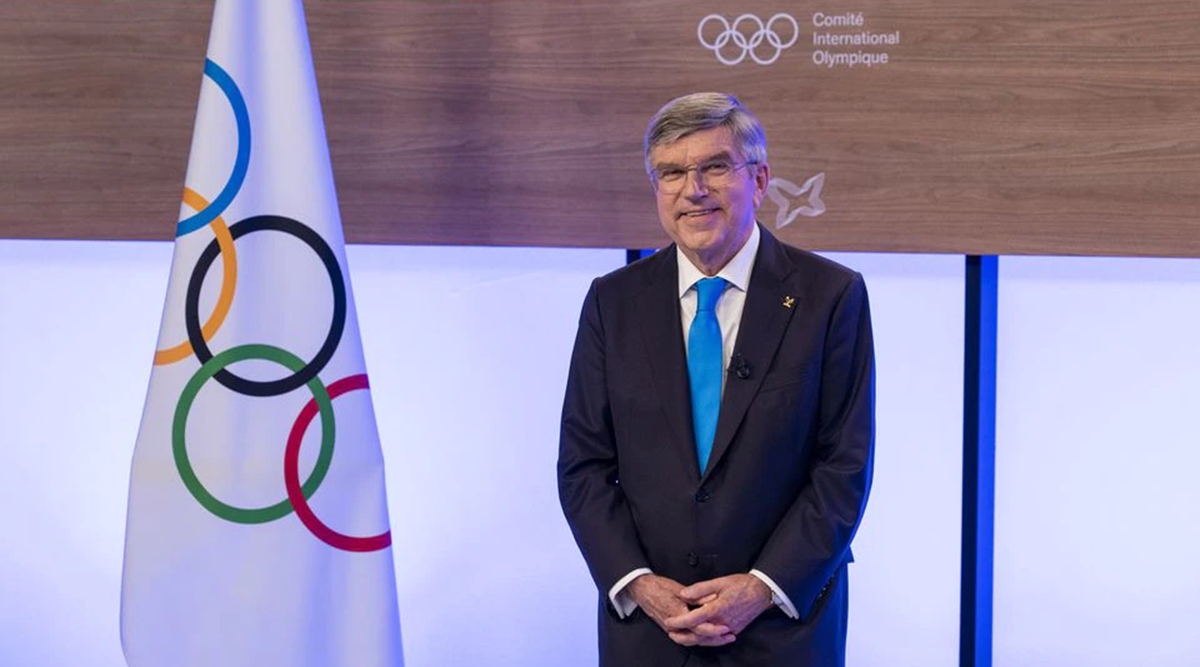
Thomas Bach was crying. He attempted to talk, yet his voice trembled.
It was early March, and Bach, the leader of the International Olympic Committee, was gazing out at a bended bank of video screens showing the tranquil, grinning countenances of the association's participation dissipated in workplaces, libraries and lounges all throughout the planet.
On the plan for this virtual gathering was an official political race. However, Bach, running unopposed briefly term, experienced not hard inquiries concerning the eventual fate of the Olympic development yet a hot shower of docility, a demonstration of the force he has amassed controlling the world's biggest, and somehow or another generally upset, sports celebration.
"We have one chief," Gianni Infantino, the leader of world soccer's administering body and an individual from the IOC, said to Bach, "and that skipper is you."
"During these difficult occasions, nobody can be superior to you, Mr. President Thomas Bach," said another part, Khunying Patama Leeswadtrakul of Thailand, "to explore us through difficult situations, transform emergencies into promising circumstances and guide the IOC to more prominent statures of progress."
Bach approached one individual, then, at that point one more and again, taking a gander on the double humiliated and satisfied by the multi stage sprint of recognition. He teared up in the wake of being known as a "visionary," then, at that point got it together for the private vote. Out of 98 votes, he procured 93, with four abstentions and one against.
So acclimated with hierarchical amicability is the IOC that the single vote against Bach before long turned into the subject of back-channel chat. So acknowledged is the president's particular impact that many have come to expect that the solitary nonconformist, whoever it was, had just pressed some unacceptable catch.
Unknown to most relaxed fans, Bach, 67, is quite possibly the most influential individuals in worldwide games, a bespectacled, quadrilingual German whose choices can modify the destinies of not one game, but rather handfuls; not one nation, but rather hundreds; and not only a select gathering of tip top experts, but rather an overall competitor populace in the large numbers.
Over the previous year, as an energetic worldwide talk stewed around the Tokyo Games — first deferred for a year, presently pushing forward in the midst of a pandemic-related highly sensitive situation and an acidic tune of analysis in Japan — Bach was the divergent power moving them ahead.
Meetings with multiple dozen current and previous partners, competitors, global games authorities and specialists affirmed that viewpoints on Bach are pretty much as various as the variety of sports he manages.
He is applauded as a visionary planner. He is scrutinized as a despot. He is regarded like a head of state. He is censured as a companion of tyrants. He is a previous gold-decoration winning fencer who forty years prior helped launch the competitor strengthening development. He vexes a more youthful age of competitors presently looking for changed types of strengthening. He has gotten the fortunes of the Olympics for the following decade. He has roused banter about whether they should exist by any stretch of the imagination.


